
Best Time to Visit Breckenridge Colorado: A Season Guide

The best time to visit Breckenridge, Colorado depends on what you're after: mid-January and April 1-20 offer the best combination of deep snow and thin crowds for skiers, while mid-to-late September delivers peak aspen color with warm days and cool nights. Winter runs roughly mid-November through Memorial Day, and summer brings 70-degree days perfect for hiking the Peaks Trail or riding the BreckConnect Gondola.
Key Takeaways
Ski season typically runs mid-November through Memorial Day, with ZRankings data pointing to mid-February for the best snow conditions and mid-January weekdays or April 1-20 for smaller crowds and lower costs.
Summer daytime highs hover around 70°F according to GoBreck's official weather guide, making June through August ideal for hiking, biking, and the free summer gondola rides.
Fall foliage typically peaks during the third and fourth week of September, per GoBreck, and pairs with the Breckenridge Oktoberfest and Breckenridge Wine Classic.
Colorado welcomed 39.8 million overnight trips in 2026, an all-time high, while Summit County alone logged roughly $1.16 billion in visitor spending that same year.
Booking direct through a local manager rather than a third-party platform saves money on service fees. hostAI reports guests who book directly return 28.3% of the time, versus only 8.9% through Airbnb.
Breck Peak Retreat sits a 5-minute walk from the Quicksilver lift at Peak 9, making it a strong home base for any season covered in this guide.
Breckenridge, Colorado runs on two engines: winter skiing and summer mountain recreation, with a genuinely underrated fall squeezed between them. As of 2026, the town's five peaks and 2,908 skiable acres keep the winter crowd loyal, but the shoulder seasons have quietly become the smarter play for travelers who want the same mountain without the same price tag or the same lift line.
This guide breaks down what actually changes month to month in Breckenridge: snow depth, foliage timing, festival dates, gondola hours, and the crowd patterns that generic "visit in winter or summer" advice tends to skip. It also covers the altitude realities that catch first-time visitors off guard, since Breckenridge sits above 9,600 feet and that changes how your body handles the trip regardless of season.
The Peak Properties manages Breck Peak Retreat in the heart of Breckenridge, so we spend a lot of time answering one version or another of "when should I actually come?" The honest answer changes depending on whether you're chasing powder, avoiding it, or trying to catch the aspens before they drop.
What Is the Best Month to Visit Breckenridge?
The best month to visit Breckenridge depends on priority: mid-February delivers the most reliable snow conditions for skiing, September offers the best mix of mild weather and fall color, and April 1-20 gives skiers a genuine value window with thinner crowds and still-solid terrain. There is no single "best" month for every traveler, and pretending otherwise is how generic guides mislead people.
Specifically, ZRankings' historical ski-condition data identifies mid-February as the strongest overall period for snow quality across the resort's five peaks. January and February are also the months Breckenridge typically sees its deepest, most consistent powder, according to industry guides that track the region's snowfall patterns.
If you're not skiing, September changes the calculation entirely. GoBreck's official fall guide notes that aspens generally begin turning around mid-September and peak during the third and fourth week of the month, often holding color through the first week of October depending on weather. Add in warm days, cool nights, and noticeably fewer people on the trails since local schools are back in session, and September becomes the month locals quietly prefer.
As a result, the "best month" question really splits into two honest answers: February for snow, September for everything else. Late June through early July sits in between, with long days and the summer gondola running but before peak summer crowds fully arrive.

How Many Days Do You Need in Breckenridge?
Most travelers need 3 to 5 days in Breckenridge to get real value from the trip, whether skiing or exploring on foot. A 3-day trip covers two full ski days or two solid hikes plus a day in town; a 5-day trip lets you rotate peaks, add a day trip to Fairplay, or work in a rest day at altitude.
Specifically, winter visitors flying into Denver International Airport should plan for travel time first. The drive from Denver takes roughly 90 minutes to 2 hours depending on I-70 conditions, and that's before accounting for a chain-law delay during a storm. Building in a buffer day, especially for a first-timer group, prevents burning ski day one on recovery from travel and altitude.
Additionally, families and groups often extend to a full week when combining Breckenridge with Fairplay, which sits about 40-45 minutes southwest and offers a genuinely different pace: fewer restaurants, dramatically better stargazing, and no I-70 traffic to fight. The Hilltop A-Frame in Fairplay makes a good base for that half of a split-destination trip, especially for travelers who want solitude between busier days in Breckenridge proper.
For summer trips, 4 days is the sweet spot: one day on the Peaks Trail or a gondola ride up to Peak 8's Epic Discovery, one day exploring Main Street, and two days with flexibility for weather or an extra hike.
TOP 10 HIKES & PLACES TO VISIT IN BRECKENRIDGE, COLORADO
Is Breckenridge Better in Winter or Summer?
Neither season is objectively better; they serve different trips. Winter Breckenridge is a ski town first, built around five interconnected peaks, 187-plus trails, and a Main Street that fills with après-ski energy after 3pm. Summer Breckenridge trades ski runs for hiking trails, mountain biking, and a noticeably calmer, more affordable version of the same town.
In winter, the resort typically operates mid-November through Memorial Day, weather permitting, according to the official Breckenridge Resort visitor FAQ. December through April delivers the most reliable snow and lift access, and holiday weeks (specifically December 22 through January 7) see occupancy spike hard: Breckenridge lodging occupancy hit 71.4% during that window in the 2023-24 season, up from 67% the prior year. Summer, by contrast, runs cooler in every sense. GoBreck's weather guide puts typical daytime highs near 70°F with nighttime temperatures dropping into the 40s and 50s, a dramatic swing that catches visitors off guard if they packed for daytime warmth only. The summer gondola runs 9am to 3:30pm most of the season, with chairlifts operating 8:30am to 4:30pm, giving hikers and mountain bikers earlier and later access than most visitors expect.
If you want the classic ski-town experience with nightlife and energy, come in winter. If you want lower prices, easier parking, and a mountain town that breathes a little slower, come in summer. Both are legitimate answers.
What Does Breckenridge Weather Look Like Month by Month?
Breckenridge weather varies dramatically by month due to its 9,600-foot base elevation, with January averaging highs near 30°F and July averaging highs in the low 70s. Precipitation patterns matter as much as temperature: rain chance climbs from just 6% in June to around 20% in July, according to NOAA data compiled by Champion Traveler.
Month | Avg High | Avg Low | What's Open | Crowd Level |
January | ~30°F | ~5°F | Full ski resort, all lifts | High (post-holiday, MLK weekend) |
February | Low 30s°F | Single digits | Full resort, best snow conditions | High (President's Day week) |
March-April | 30s-40s°F | 10s-20s°F | Full resort through Memorial Day | Moderate, dips after April 20 |
June | Upper 60s°F | 30s°F | Gondola, hiking trails, Main Street shops | Low to moderate, rising late June |
July | ~72°F | ~40°F | Full summer activities, Epic Discovery | High (holiday weeks) |
August | Upper 60s-70°F | ~40°F | Full summer activities | High |
September | ~64°F | ~32°F | Gondola winding down, foliage peak | Low (best month for fewer people) |
October | 40s-50s°F | 20s-30s°F | Limited; many summer ops close mid-month | Low |
November | 30s°F | 10s-20s°F | Resort opens mid-month, weather permitting | Low, rises Thanksgiving week |
Notably, snow can technically fall in Breckenridge in any month of the year, per the official resort FAQ, though the reliable snow season starts in late October and runs through the end of May. That variability is exactly why the resort's opening and closing dates are described as "weather permitting" rather than fixed. Always check the Breckenridge Resort Snow & Weather Report before locking in dates, especially for early or late-season trips.
Which Is Nicer, Aspen or Breckenridge?
Aspen and Breckenridge both deliver world-class Colorado skiing, but they serve different travelers. Breckenridge is more accessible from Denver at roughly 90 minutes to 2 hours by car, has a walkable historic Main Street with a working mining-town character, and generally runs at a lower price point than Aspen's more exclusive, celebrity-associated market.
Specifically, Breckenridge's terrain spans five peaks, giving it more lift-served acreage variety for intermediate and advanced skiers who want to move between zones in a single day. Aspen counters with four separate mountains (Aspen Mountain, Snowmass, Buttermilk, and Aspen Highlands) and a reputation for higher-end dining and boutique shopping that leans more upscale than Breckenridge's historic downtown.
As a result, if walkability, drive-time convenience from Denver, and a slightly more laid-back mountain-town vibe matter more to you than ultra-luxury shopping, Breckenridge wins that comparison. If your trip budget assumes Aspen-level splurging regardless, the choice becomes more about which specific terrain and town atmosphere you prefer, since both are genuinely excellent ski destinations.
Is the Breckenridge Gondola Free in Summer?
Yes, the BreckConnect Gondola is free to ride in summer, connecting the Historic Main Street area to the Peak 8 base. It typically operates from 9am to 3:30pm during the core summer season, with extended hours to 4:30pm from June 15-30 to support park operations, according to the resort's official hours page.
Once at the Peak 8 base, Epic Discovery offers zip lines, a ropes course, and a mountain coaster for a fee, but simply riding the gondola up and back for the view costs nothing. This is one of the most underused free activities in town: most visitors assume gondola access requires a lift ticket, but the summer schedule is open to anyone.
If you're headed up for sunset or an early-morning ride before the crowds, note that the gondola's operating window is tighter than winter chairlift hours, so plan around that 3:30pm close rather than assuming evening access. Combine the ride with a stop at Ski Hill Grill near the base, open 8:30am to 5pm in summer, for a casual lunch before or after.
What Time Does the Breckenridge Gondola Open?
The BreckConnect Gondola opens at 9am during summer operations, according to the resort's official hours of operation page. Chairlift hours run slightly earlier and later, from 8:30am to 4:30pm, which matters if you're trying to catch first light on the mountain before the gondola itself starts running.
Winter gondola hours differ from summer and typically align more closely with chairlift operating windows to move skiers efficiently from town to the mountain in the early morning. Because hours shift seasonally and can change with weather holds, confirm current times on the Breckenridge Ski Resort Hours of Operation page before planning an early start, especially around holiday weeks when the resort sometimes adjusts schedules.
What's the Deal With Shoulder Season in Breckenridge? (The Part Most Guides Skip)
Shoulder season in Breckenridge refers to the transitional windows in April-May and October-November, when winter operations wind down or summer operations haven't fully started. This is where generic travel guides fall short: they mention "shoulder season is cheaper" without explaining what's actually closed, which is the detail that determines whether your trip works.
In practice, late April into May is when the resort's ski season typically ends around Memorial Day, but many peripheral operations, including some restaurants, retail shops, and the shared pool and hot tub amenities at properties like Breck Peak Retreat, schedule brief maintenance closures during this exact window before reopening for the summer holiday. If you're booking a late-April or early-May trip specifically for hot tub soaking after skiing, verify amenity status directly with your rental rather than assuming year-round access.
October operates similarly in reverse. Fall foliage and the Breckenridge Oktoberfest and Breckenridge Wine Classic run through the month, but the summer gondola schedule and Epic Discovery activities typically wind down by mid-October, well before the ski resort reopens in November. A traveler chasing both foliage and gondola rides needs to land in that narrow late-September window, not October.
Additionally, this shoulder period brings genuinely lower lodging demand. ZRankings data pegs April 1-20 as a specific value window for skiers: crowds decline noticeably while the resort still typically has solid terrain open, since Breckenridge's average terrain-open percentage stays high well past mid-April in most years.
How Does Breckenridge's Altitude Affect Your Trip?
Breckenridge sits at approximately 9,600 feet above sea level, high enough that most visitors arriving from lower elevations feel some effect within the first 24 to 48 hours. Common symptoms include mild headache, shortness of breath during activity, and disrupted sleep, and these apply regardless of season, whether you're skiing in January or hiking in July.
Specifically, the town's elevation means the air holds roughly 30% less oxygen than at sea level, and Colorado's dry climate compounds dehydration faster than visitors expect. First-time visitors, especially those flying in directly from a low-elevation city, should plan a lighter first day: skip the hardest ski runs or longest hikes, hydrate aggressively, and moderate alcohol intake the first evening.
Additionally, sun exposure intensifies at altitude. UV radiation increases roughly 4-8% per 1,000 feet of elevation gain, meaning summer hikers and even winter skiers on bright bluebird days need stronger sun protection than they'd use at home, even when the air temperature feels cool. This detail gets skipped constantly in generic Breckenridge guides, but it's one of the more common reasons first-timers end up with a ruined second day from sunburn or altitude fatigue.
How Far Is Breckenridge From Denver, and How Do You Get There?
Breckenridge is approximately 90 minutes to 2 hours from Denver International Airport by car, depending on I-70 traffic and winter chain-law conditions. The drive covers roughly 100 miles west through the mountains via I-70 and Colorado Highway 9, a route that's straightforward in summer but requires winter driving caution from December through March.
Specifically, winter travelers should check road status before departing, since storms occasionally trigger chain laws or brief closures on I-70's mountain corridor. Shuttle services like the Peak 1 Express offer a no-driving alternative directly from DIA, which removes the chain-law and parking-cost concern entirely.
Once in town, a car isn't strictly necessary if your lodging sits close to the gondola or free shuttle routes. Breck Peak Retreat, for example, is a 5-minute walk to both the Quicksilver lift at Peak 9 and Historic Main Street, and it also sits near a stop on the free Breckenridge shuttle, which covers the town and mountain base areas without requiring you to drive or find parking. That matters more than it sounds when you're hauling ski boots at 7am before the first chairlift.
How Far Is Fairplay From Breckenridge, and Is It Worth a Day Trip?
Fairplay sits approximately 40 to 45 minutes southwest of Breckenridge via Highway 9, making it an easy half-day trip or an alternative base for travelers who want mountain scenery without ski-town prices and traffic. Fairplay's elevation runs close to 10,000 feet, on par with or slightly higher than Breckenridge itself.
Fairplay operates at a genuinely different pace: a handful of restaurants, a low-key local bar scene, and none of the Historic Main Street bustle Breckenridge is known for. That's either a feature or a dealbreaker depending on what you want from the trip. For couples or remote workers seeking privacy over nightlife, it's a legitimate alternative or complement to a Breckenridge stay.
The Hilltop A-Frame sits on a private 5-acre plateau near Fairplay at 9,500 feet, roughly 43 minutes from Breckenridge skiing, with genuinely dark night skies and Starlink WiFi for anyone splitting a trip between Fairplay's quiet and Breckenridge's slopes. It's a solid pairing: ski Breckenridge by day, retreat to Fairplay's silence at night.
Which Festivals and Events Should You Plan Around?
Breckenridge's event calendar is a legitimate reason to time a trip, not just a bonus. Fall brings the Breckenridge Oktoberfest and Breckenridge Wine Classic, both named by GoBreck as must-attend seasonal events, alongside the Breckenridge Film Festival.
Winter and spring bring the Lighting of Breckenridge, Ullr Fest (a Norse-inspired winter celebration with a torchlight parade and bonfire), and Breck Pride, all flagged by the official tourism site as not-to-miss events. Because these events shift dates year to year, confirm current scheduling through the Town of Breckenridge calendar before booking around a specific weekend.
If you're traveling to Fairplay as part of a split trip, the annual Burro Days festival is worth checking dates for as well, a genuinely local South Park County tradition distinct from anything happening in Breckenridge proper.
How Should You Choose Between Peak Season and Value Windows?
Choosing between peak season and a value window in Breckenridge comes down to a straightforward trade-off: peak weeks (Christmas through New Year's, Presidents' Day, July 4th) deliver the most reliable conditions and full activity access, but at higher lodging demand and thicker crowds. Value windows trade some of that certainty for real savings and breathing room.
Here's how to think through it:
Define your non-negotiable. If deep powder is the entire point of the trip, target mid-February and accept the crowds that come with it.
Check the calendar for holiday overlap. December 28-29 and January 3-5 have historically been the highest-occupancy nights of the season; avoid these unless the holiday atmosphere is part of the appeal.
Consider April 1-20 for skiing on a budget. Terrain is typically still substantially open, crowds thin out, and lodging costs come down noticeably.
Consider September for non-ski trips. Foliage, mild weather, and the lowest crowd levels of the shoreline months make this the sleeper pick for hikers and sightseers.
Book lodging that includes parking. Breckenridge's paid parking lots fill fast on weekends and holidays; a rental with dedicated spaces removes one entire layer of trip-day stress.
Whichever window you pick, verify current mountain status through the Breckenridge live lift and terrain status page or the My Epic App for real-time gondola and resort updates before finalizing dates, especially for early winter or late spring travel when conditions swing fastest.
Where Should You Stay for Easy Slope and Town Access?
For Breckenridge specifically, location relative to the lifts and Main Street matters more than almost any other lodging decision. Breck Peak Retreat is a fully renovated 2-bedroom, 2-bathroom condo positioned a 5-minute walk from the Quicksilver lift at Peak 9 and Historic Main Street, which means no shuttle wait, no parking hunt, just boots on and walk.
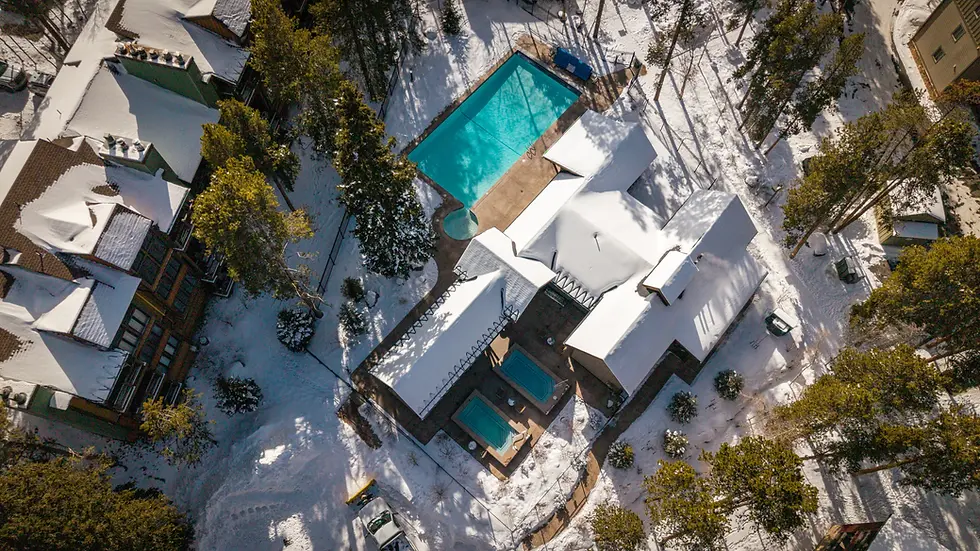
The condo sleeps up to 6 across a king bed in the primary suite and a queen plus twin bunks in the second bedroom, with an in-unit boot and glove warmer and dedicated ski storage that eliminate the morning scramble for gear. After a ski day, guests share access to four hot tubs and a heated outdoor pool located just steps from the front door, alongside a wood-burning fireplace inside for evenings when going back out feels like too much.
Two dedicated parking spaces come with every reservation, and the property also sits near a stop on the free Breckenridge shuttle for anyone who'd rather skip driving into town on a busy Saturday. If you're planning your visit around either winter powder or a fall foliage weekend, book direct through The Peak Properties rather than a third-party platform: hostAI reports that direct-booking guests return at more than triple the rate of Airbnb bookers, a signal of the trust and value that comes with skipping the platform middleman.
For travelers exploring Colorado more broadly, The Hilltop A-Frame in nearby Fairplay and the full portfolio at The Peak Properties cover destinations from Whitefish, Montana to Driggs, Idaho for anyone planning a broader mountain trip beyond Breckenridge alone.
What Should First-Time Visitors Know Before Booking?
First-time Breckenridge visitors most often go wrong in three places: underestimating the drive time from Denver during winter storms, ignoring altitude adjustment on day one, and assuming "walking distance to skiing" means the same thing across every rental listing. Verify each of these before locking in dates.
Specifically, always check the Breckenridge Resort Snow & Weather Report in the days before departure rather than relying on a seasonal average. Snow conditions swing hard within a single week, and the resort's terrain-open percentage varies enough year to year that planning around "it's always great by mid-December" is a common and avoidable mistake.
Additionally, verify your lift pass strategy before arrival. The Breckenridge Lift Access Passes Overview explains Epic Pass and Summit Value Pass options, and younger travelers should check the Epic Pass Young Adult & College Savings program before buying a full-price ticket. A single-day walk-up ticket at the window costs meaningfully more than a pre-purchased pass in most cases.
Finally, confirm what "close to the lifts" actually means in a rental listing. Ask for an exact walking time and distance, not a vague description. Breck Peak Retreat's 5-minute walk to the Quicksilver lift is a specific, verifiable figure; many listings that use the phrase "ski-adjacent" turn out to require a 15 to 20-minute walk or a shuttle ride once you dig into the fine print.
Frequently Asked Questions
What time does the Breckenridge gondola open?
The BreckConnect Gondola opens at 9am during summer operations, according to the resort's official hours page, with chairlifts running from 8:30am to 4:30pm. Winter hours shift to support early skier access and can change with weather, so confirm current times before an early-morning trip.
What is the best month to visit Breckenridge?
Mid-February typically has the strongest snow conditions for skiing, while September delivers the best fall foliage and mildest weather with the fewest crowds of any warm-weather month. There is no universal "best" month; it depends on whether snow sports or hiking and sightseeing are the priority.
How far is Breckenridge from Denver?
Breckenridge is roughly 90 minutes to 2 hours from Denver International Airport by car, covering about 100 miles via I-70 and Colorado Highway 9. Winter storms can extend that time with chain-law requirements, so build in a buffer during ski season.
How far is Fairplay from Breckenridge?
Fairplay sits approximately 40 to 45 minutes southwest of Breckenridge via Highway 9, making it a realistic day trip or an alternative quiet base for travelers who want mountain scenery without ski-town crowds and pricing.
What is the elevation of Fairplay, Colorado?
Fairplay sits close to 10,000 feet above sea level, similar to or slightly higher than Breckenridge's roughly 9,600-foot elevation. Both towns require the same altitude precautions: hydration, sun protection, and a lighter first-day itinerary for visitors arriving from lower elevations.
Is the Breckenridge Gondola free in summer?
Yes, the BreckConnect Gondola is free to ride in summer between downtown Main Street and the Peak 8 base area, typically operating 9am to 3:30pm with extended hours in late June. Activities at the Peak 8 base, like Epic Discovery's zip lines and ropes course, do require a separate paid ticket.
How many days do you need in Breckenridge?
Most visitors get solid value from 3 to 5 days, whether skiing two full mountain days plus a rest day or hiking and exploring town over a long weekend. Groups combining Breckenridge with a Fairplay side trip often extend to a full week.
Conclusion: Picking Your Window in Breckenridge
The best time to visit Breckenridge, Colorado comes down to matching your priority to a specific window rather than a whole season: mid-February for the deepest, most reliable snow, April 1-20 for value skiing with real terrain still open, and mid-to-late September for foliage, mild weather, and the thinnest crowds of the year. Each has its own trade-offs worth planning around, from I-70 winter travel time to shoulder-season amenity closures.
Colorado's tourism momentum into 2026 shows travelers are already adjusting: early summer bookings in Breckenridge were up 2% year over year heading into the season, with July bookings running 7% ahead of 2026, suggesting shoulder and summer travel keeps gaining ground on the traditional ski-only calendar. Whatever window you choose, altitude prep and a location close to the lifts or the gondola will do more for your trip than almost any other planning decision.

If you're weighing the best time to visit Breckenridge, Colorado around a ski trip, Breck Peak Retreat puts you a 5-minute walk from the Quicksilver lift, with four shared hot tubs waiting steps away after the last run. Check availability here.
Written by Michael Leonard, Owner & Manager at The Peak Properties
Content powered by inkSTR.co


Comments