
Are There Any Hidden Costs I Should Know About With Direct Mountain Cabin Bookings?
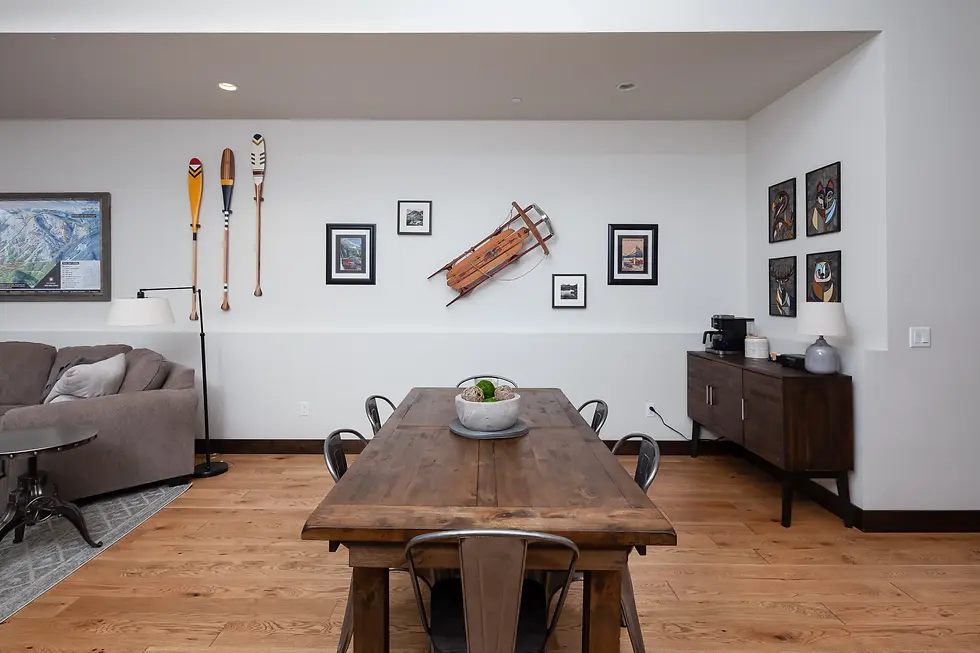
Are there any hidden costs I should know about with direct mountain cabin bookings? Usually no secret charges, but several line items sit outside the nightly rate: a cleaning fee, Montana lodging taxes, a possible card fee, and a damage deposit or waiver. Ask for an all-in written quote before you pay.
Key Takeaways
Cleaning fees, lodging taxes, card surcharges, and damage deposits or waivers are the four charges most likely to sit outside a nightly rate, and one itemized written quote exposes all of them.
Whitefish and Montana lodging taxes are added to the rental subtotal and cannot be waived by any manager, so confirm them with the state and the city rather than relying on a listing.
A refundable card hold and a nonrefundable damage waiver are different costs: a hold comes back to you, a waiver does not.
The payment schedule matters as much as the price, so note the date your deposit becomes nonrefundable and the date the full balance is due.
Glacier Adventure Loft, a 2-bedroom, 1-bath Whitefish condo for up to 4 guests, includes a covered parking space in the booking, which removes one common add-on.
Hidden costs in a vacation rental are charges that appear after you have already compared nightly rates, and in Whitefish they cluster in a predictable place. At The Peak Properties, we manage Glacier Adventure Loft, a two-bedroom condo in downtown Whitefish, and we think the nightly rate is the least useful number on any listing.
You have plenty of choices. Rental homes, cabins, and condos accounted for 32% of Whitefish visitor nights, ahead of the 28% for hotels and motels, according to Explore Whitefish data reported in 2026.
Seven items follow. Each gets a verdict, a question to ask, and an honest caveat. Skip the habit of comparing nightly rates across tabs. Compare totals, because that is where the real differences between properties appear.
1. Is the Cleaning Fee a Hidden Cost?
A cleaning fee is a one-time charge, usually added per stay rather than per night, that pays for the professional turnover between guests. It is the most common line item outside the advertised rate, and it stays visible as long as you ask for a full quote before paying.
This downtown Whitefish condo lists a professional cleaning fee that covers sanitizing and disinfecting the unit before each arrival. That is a reasonable standard for a 1,250 sq ft space with fresh linens and plush towels. It also has an in-unit air purifier. Ask for the exact amount in writing, since it varies by property size.
The catch is that a flat per-stay fee hits short trips hardest. A two-night weekend absorbs the same cleaning charge as a full week, so the fee feels heavy on a short booking and nearly invisible on a long one. If you can stretch to a week, the per-night cost shrinks.
Long stays raise a second question. On bookings of a month or more, some managers add a paid mid-stay cleaning, so confirm whether yours does and who schedules it. And do not confuse the fee with housekeeping: unless the quote says otherwise, you are paying for the turnover, not daily service.
2. Which Taxes Apply to a Whitefish Cabin Booking?
Whitefish lodging taxes are government charges added on top of your rental subtotal, and no property manager can waive them. Whitefish applies a 3% resort tax to lodging and retail. Bars and restaurants are covered too. The Montana Department of Revenue states that lodging sales are subject to a 4% lodging facility use tax and a 4% sales tax on accommodations.
Specifically, if all three apply to a $1,000 lodging subtotal, taxes would add up to roughly $110, or about 11 percent. That is illustrative arithmetic, not a quote for any property. Exact treatment depends on the transaction, so confirm current figures for 2026 with the Montana Department of Revenue and the City of Whitefish.
A good quote lists taxes as a separate line instead of folding them into one total. If a listing shows only a single number with no breakdown, ask for the split before you commit.
The 3% resort tax also follows you downtown. It appears on restaurant checks and bar tabs along Central Avenue. Shop receipts show it as well, so budget for it beyond the rental. Platforms often collect lodging taxes automatically; on a direct booking the manager does, and the amount should still appear itemized.

3. Does Booking Direct Add a Card or Booking Fee?
A direct-booking fee is a surcharge some managers add for card processing, and it is the one charge that can erode the savings of booking direct. Ask a single question before you pay: does this reservation carry a card or booking surcharge, and is it already in the quote?
The comparison that matters is against platform fees. That fee comes out of the host's payout, so a direct booking removes it from the transaction. The Peak Properties states that booking direct saves up to 15% compared with third-party platforms; on a $2,000 reservation, that is up to $300.
Direct is a mainstream channel, not a workaround. For the same fee logic in another market, our guide to skipping platform fees in Breckenridge walks through the details.
Direct does not mean fee-free. It means the largest fee is gone. A small card surcharge on a large reservation still adds up, so ask before you enter card details, and ask whether another payment method avoids it.
4. How Do Security Deposits and Damage Waivers Work?
A security deposit is a refundable hold or payment that protects the owner against damage, while a damage waiver is a nonrefundable fee that replaces the deposit. Whitefish managers use both models, and the difference is simple: a deposit returns to you, a waiver does not.
First, separate a true cost from a temporary hold. A card pre-authorization is not a charge; it reserves part of your credit limit and releases after checkout if nothing is deducted. Ask for four details in writing: the amount, when it is placed, when it is released, and what can be deducted.
Waivers work differently. Many cap coverage at a stated dollar amount, apply to accidental damage only, and require you to report the problem before you leave. Willful or negligent damage typically falls outside coverage, and so does damage that goes unreported. In practice, tell the manager about the cracked glass before checkout, not after.
One opinion: use a credit card for any hold. A hold on a debit card ties up real cash in your account, sometimes for days after you have gone home. Whichever model a property uses, read it before you pay, since Whitefish managers do not follow one standard.

5. What Payment and Cancellation Terms Put Your Money at Risk?
A payment and cancellation schedule is the timeline that determines how much of your money is refundable on any given day, and it is the least visible cost in a direct booking. A lower price with a strict schedule can cost more than a higher price with a flexible one if your plans change.
Whitefish-area managers commonly take a deposit at booking, with the balance due weeks before arrival. Part or all of the early payment is often nonrefundable. Specifically, map three dates before you commit: when the deposit locks, when the balance is due, and when your refund drops to zero.
Demand shapes these terms. Explore Whitefish data shows roughly 1.2 million visitors from June through August 2024 versus about 500,000 from December through March. Check summer and winter terms separately. Minimum stays and cancellation windows can differ by season.
Travel insurance is the optional fix. It is usually priced as a percentage of the total reservation and varies by coverage type. Read the covered reasons before buying, since coverage often limits which cancellations qualify. On a large booking the cost can be worth paying; with a generous refund window, it may not be.
6. Which Optional Charges Show Up Later?
Optional charges are fees triggered by what you do during a stay rather than what you booked, such as early check-in, late checkout, extra vehicles, pets, or shipping a forgotten item home. You can avoid nearly all of them by asking first.
Early check-in and late checkout: some managers charge for early arrival, and unapproved late checkout can bring a fee. Ask for the standard times and the price of flexibility.
Pets: confirm the policy in writing before booking. For the loft's parking and booking details, check the current listing for its pet policy.
Extra guests: Glacier Adventure Loft sleeps 4, so a fifth guest is a different property, not an upcharge.
Forgotten items: some managers charge a handling fee plus shipping, so check the pillowcase and the patio before you leave.
Parking is the add-on Glacier Adventure Loft removes. The booking includes one dedicated covered space, with free first-come street parking for extra vehicles. The free SNOW ski bus stops steps away, so a winter trip may not need a rental car at all.
Some costs sit entirely outside the rental. Lift tickets at Whitefish Mountain Resort, gear rentals, and Glacier National Park access are separate; check the park's official site for current entry requirements. Our Whitefish outdoor activities guide helps you plan which of those you will want.

7. How Do You Spot Hidden Costs With Direct Mountain Cabin Bookings Before You Pay?
Spotting hidden costs with direct mountain cabin bookings means requesting one written, itemized quote that shows every charge from nightly rate to deposit before you enter a card number. If a manager cannot produce that quote, treat it as a warning rather than a formality.
Line item | When it appears | Question to ask |
Nightly rate subtotal | In the quote | Does the rate change by night or season? |
Cleaning fee | Once per stay | What is the amount, and does a long stay add a mid-stay clean? |
Lodging taxes | Separate line | Which taxes are included, and at what rates? |
Card or booking fee | At payment | Is there a surcharge, and does another method avoid it? |
Deposit or waiver | At booking or check-in | Is it a refundable hold or a nonrefundable fee, and when does it release? |
Payment schedule | Booking and balance date | Which payments are refundable, and until when? |
Request an itemized written quote that lists every charge.
Compare all-in totals, not nightly rates.
Confirm whether a deposit or waiver applies and how it is released.
Note the dates your deposit locks and your balance is due.
Save the quote and house rules by email or screenshot before paying.
The same checklist works with any rental company, including the other properties at The Peak Properties: Breck Peak Retreat, Teton Basecamp, The Hilltop A-Frame, and The Blue Tail Chalet. If you are still choosing a neighborhood, our where to stay in Whitefish guide compares areas first.
Frequently Asked Questions
What fees should I expect when booking a vacation rental?
Expect the nightly rate plus a one-time cleaning fee. State and local lodging taxes apply, along with either a refundable deposit or a nonrefundable damage waiver. Platform bookings add a service fee, while direct bookings may add a card-processing surcharge instead. Optional charges such as early check-in or late checkout apply only if you use them. The same goes for pets and extra vehicles. Request an itemized quote to see everything before you pay.
Is booking a mountain cabin direct always cheaper?
Not automatically, but it removes the platform service fee, the largest single add-on on a third-party booking. A card surcharge or strict cancellation schedule can narrow the gap. Compare itemized totals rather than nightly rates to see the real difference.
What taxes apply to short-term rentals in Whitefish, Montana?
Whitefish applies a 3% resort tax to lodging and retail. Bars and restaurants are included as well. The Montana Department of Revenue states that lodging sales are subject to a 4% lodging facility use tax and a 4% sales tax on accommodations. Treatment depends on the transaction, so confirm current figures with the state and the City of Whitefish.
What is included in a cabin rental cleaning fee?
A cleaning fee covers the professional turnover between guests. At Glacier Adventure Loft, that means sanitizing the condo before arrival, along with disinfecting it. It does not usually cover daily housekeeping, and long stays may add a paid mid-stay clean, so confirm in writing.
What is a refundable security deposit for a cabin rental?
A refundable security deposit is money, often a card pre-authorization, held to cover possible damage and released after checkout if nothing is deducted. It is a temporary hold, not a charge. Ask for the amount and the release timing. Request the list of allowable deductions as well.
Which Whitefish rentals show their total price clearly?
The Peak Properties offers Glacier Adventure Loft, a 2-bedroom, 1-bath Whitefish condo for up to 4 guests, and you can request an itemized quote through its booking page. With any property, ask for cleaning, taxes, card fees, the deposit or waiver, and the payment schedule in writing, since fee disclosure varies between Whitefish managers.
Should I use a credit card or debit card for a deposit hold?
A credit card is the safer choice. A hold on a debit card reserves actual cash from your account, sometimes for days after checkout. A hold on a credit card only reduces your available credit.
Are There Hidden Costs With Direct Mountain Cabin Bookings, After All?
Direct mountain cabin bookings carry few real surprises once you request an itemized quote. In 2026, the true price comes down to the cleaning fee and Whitefish and Montana lodging taxes. Any card surcharge and the deposit or waiver matter too. Add the payment schedule, and you can compare any two properties fairly.
The Peak Properties manages Glacier Adventure Loft in Whitefish and rentals across four other mountain markets, and you can browse them all at thepeakproperties.co. As booking channels keep diversifying beyond 2026, the traveler who asks for the full written total will keep getting the better deal.

If you are weighing Whitefish stays by total cost, Glacier Adventure Loft in Whitefish includes a covered parking space in the booking, which takes one common add-on off the list. See pricing and photos to request the full quote.
Written by Michael Leonard, Owner & Manager at The Peak Properties
Content powered by inkSTR.co


Comments