
Best Trails in Glacier National Park: A Hiker's Guide

Glacier National Park contains over 700 miles of hiking trails across more than 1 million acres, with 179 routes catalogued on AllTrails.
The easiest entry point is Trail of the Cedars (0.9 miles, easy), followed by Avalanche Lake (6.0 miles, moderate) for those ready for a longer day.
Logan Pass trailheads including Hidden Lake Overlook require either a timed-entry vehicle reservation or the NPS shuttle during peak season.
Backcountry overnight camping requires a permit through the NPS backcountry reservations system; day hikes do not.
Glacier Adventure Loft in downtown Whitefish sits roughly 30 minutes from the West Entrance, making it a practical base for multi-day hiking itineraries.
Every trail is active bear habitat; carry bear spray and check the NPS trail status reports before you leave the trailhead.
Glacier rewards travelers who plan with intention. The park's going-to-the-sun road corridor sees heavy traffic from late June through Labor Day, and the most popular trailheads fill their parking lots before 8 AM on weekends. Knowing which trails suit your group, when to start, and how to reach each trailhead without a car is the difference between a memorable day and a three-hour parking standoff.
At The Peak Properties, we manage Glacier Adventure Loft in the heart of Whitefish, Montana, just 30 minutes from the park's West Entrance. We hear the same questions from guests every season: which trails are worth the drive, which ones are genuinely crowded, and what first-time visitors consistently get wrong. This guide pulls together those answers with real trail data, practical logistics, and honest assessments of every major route.
What Are the Best Trails in Glacier National Park for Every Skill Level?
Glacier National Park hiking trails are organized by the National Park Service into difficulty tiers that reflect elevation gain, trail surface, and total distance. The park's trail network is large enough that every skill level has genuine options, not just a token easy loop. Here is how the best-known routes break down.
Easy Trails Worth Every Step
Trail of the Cedars is 0.9 miles long, rated easy, and finishes in 30 to 60 minutes. It follows a boardwalk through an old-growth cedar and hemlock forest along Avalanche Creek. The creek cuts through narrow red argillite gorges, and the lighting in late morning is extraordinary. This trail is fully accessible and sits near the Avalanche Campground, close to the West Entrance, making it the most practical first hike in the park for families with young children or anyone arriving for a short day.
St. Mary and Virginia Falls Trail runs 3.1 miles and typically takes 1.5 to 2 hours. It follows the St. Mary River drainage on the east side of the park, passing both St. Mary Falls and Virginia Falls. The elevation gain is gentle, the trail surface is well-maintained, and the two waterfall payoffs feel disproportionately rewarding for the effort. Start from the St. Mary Falls trailhead and plan to linger at both falls rather than rushing through.
Moderate Trails for Strong Day Hikers
Avalanche Lake Trail is 6.0 miles with 790 feet of elevation gain. It starts at the Trail of the Cedars boardwalk and climbs steadily through forest before opening onto the lake's south shore, where sheer walls rise on three sides and waterfalls drop from the cliffs above. The hike takes most people 2.5 to 3.5 hours each way. Arrive by 7:30 AM on summer weekends or plan to park at Apgar and ride the NPS shuttle to the trailhead.
Hidden Lake Overlook is 2.7 miles from the Logan Pass Visitor Center, rated moderate, and takes 1 to 1.5 hours. The trail climbs across an open alpine meadow, crosses seasonal snowfields into early August, and ends at a rocky overlook above Hidden Lake. Mountain goats are common along this section of ridge. Because the trailhead sits directly at Logan Pass, you must either arrive before 7 AM to secure one of the 170 parking spaces or ride the Going-to-the-Sun Road shuttle. The overlook is worth every logistical hurdle.
Iceberg Lake Trail covers 9.7 miles with an estimated 4.5 to 5 hours of hiking. It departs from the Swiftcurrent Motor Inn trailhead in the Many Glacier valley, climbs through wildflower meadows and a hanging valley, and ends at a lake that holds floating icebergs well into August. The Many Glacier area is on the east side of the park and genuinely less crowded than the Logan Pass corridor on most weekdays.
Baring, St. Mary, and Virginia Falls via Piegan Pass Trail runs 6.4 miles and takes 2.5 to 3 hours. It string-links three separate waterfall destinations in the St. Mary area and is a strong choice when the Going-to-the-Sun Road corridor feels maxed out. The route passes Baring Falls first, a short drop that most visitors walk past without stopping, and that obscurity is actually the point.
Hard Trails for Experienced Hikers
Grinnell Glacier Trail is 11.1 miles and rated hard, with an estimated 5.5 to 6 hours of round-trip hiking. It climbs from the Many Glacier Hotel area to the toe of Grinnell Glacier, one of the park's few remaining named glaciers. The National Park Service reports that Glacier's glaciers have retreated significantly over the past century, and Grinnell is a vivid illustration of that change. An optional boat shuttle across Josephine Lake and Grinnell Lake cuts approximately 3.5 miles from the round trip, which most hikers find worthwhile.
Granite Park Chalet via Highline and Granite Park Trail is 11.6 miles, rated hard, and typically takes 6.5 to 7 hours. It connects Logan Pass to the historic Granite Park Chalet before descending to the Loop trailhead on the Going-to-the-Sun Road. Running it point-to-point requires a shuttle or a second vehicle at the Loop. The chalet itself, one of two backcountry chalets still operating in the park, serves meals and offers bunk accommodations with advance reservations.
Which Glacier National Park Trails Should Families Do First?
Family-appropriate hiking in Glacier National Park means trails that combine genuine scenery with manageable distances and forgiving footing. The best starting combination for families with children under ten is Trail of the Cedars followed immediately by the first mile of the Avalanche Lake Trail. The boardwalk section of Trail of the Cedars takes about 30 minutes and has no elevation, while the first mile of the Avalanche Lake path is a wide, well-shaded forest walk with minimal climbing.
For families with older children or teenagers, Avalanche Lake as a full out-and-back is the most rewarding moderate hike in the park. The 790-foot elevation gain is distributed over 3 miles of climbing, the lake is visually dramatic, and the trail is wide enough throughout that you are never picking your way across loose rock. Budget 4 to 5 hours including time at the lake.
Hidden Lake Overlook from Logan Pass is the other family standout. The 2.7-mile route crosses boardwalk sections through alpine meadow before rising to the overlook. Snowfields persist across the upper section well into summer, which children typically find delightful rather than difficult. Bring traction devices or micro-spikes for any trip before mid-July.
What most family hiking guides miss: the St. Mary and Virginia Falls Trail on the east side of the park is significantly less crowded than the west-side trails and equally scenic. The route to both falls is only 3.1 miles with very gentle elevation change. On a weekend when Avalanche Lake's parking lot fills by 7:45 AM, the St. Mary trailhead still has spaces at 9:30 AM. That logistical advantage matters when you are traveling with kids.
Guests staying at Glacier Adventure Loft in Whitefish consistently ask about the best morning-start strategy for families. The answer, from a 30-minute base, is simple: drive to the Avalanche Lake Trailhead on a Tuesday or Wednesday, arrive by 8 AM, and you will park easily. Save Logan Pass for a weekday when you can leave downtown Whitefish by 6:30 AM.
What Are the Most Scenic Viewpoint Hikes in Glacier?
Scenic viewpoint hikes in Glacier National Park refer specifically to trails that terminate at or pass through high-elevation overlooks with unobstructed views of peaks, glaciers, or alpine lakes rather than primarily forested valley routes. Several of the park's most photographed vantage points are accessible as day hikes without technical climbing or overnight camping.
Hidden Lake Overlook delivers the most accessible alpine panorama in the park. The view from the rocky lookout point at the trail's end takes in Hidden Lake below and the peaks of the Garden Wall above. It is the single best short hike for the effort-to-reward ratio in Glacier, and the NPS confirms it as one of the park's highest-traffic routes for a reason.
Iceberg Lake is the correct choice when you want expansive scenery with fewer crowds than Logan Pass. The Many Glacier valley is visually distinct from the west side of the park: broader, more open, with long sightlines across meadows before the trail climbs into its final hanging valley. The lake itself, ringed by a near-vertical cirque wall, is genuinely otherworldly in late July when the icebergs are still present.
The Highline Trail at 15.2 miles and rated hard is the undisputed king of Glacier scenic routes. It traverses the Garden Wall ridge from Logan Pass for miles, offering continuous views of the park's peaks, valleys, and the Going-to-the-Sun Road corridor far below. The exposure is real at a few points, with a cable assist on the initial cliff face traverse just west of Logan Pass. Fit hikers who are comfortable with airy, exposed terrain rate this among the best ridge walks in the American West.
For sunrise photography, the most useful tip that generic guides consistently omit: the eastern approaches to Many Glacier and the St. Mary corridor catch first light earlier and with more dramatic peak shadow than the west-side trails. If sunrise shooting matters to your trip, prioritize Grinnell Glacier Trail or Iceberg Lake from the Many Glacier area over the Logan Pass options.
For a deeper look at planning your stay in the Glacier area, the complete 2026 lodging guide for Glacier National Park MT covers accommodation options, entrance logistics, and seasonal planning in detail.

The Highline Trail and Grinnell Glacier: Are They Worth the Effort?
The Highline Trail and Grinnell Glacier Trail are the two signature hard hikes in Glacier National Park, and they attract attention for different reasons. The Highline Trail is a ridge-line experience; Grinnell Glacier is a destination experience with a specific geological story. Both are worth the effort if you arrive prepared. Neither should be attempted as an impulsive detour.
The Highline Trail runs 15.2 miles from Logan Pass to the Loop trailhead, with an estimated 7.5 to 8 hours of hiking. The trail gains and loses elevation in rolling fashion along the Garden Wall rather than a continuous brutal climb. The cable section at the start near Logan Pass looks intimidating from photos but is manageable for most adult hikers who are comfortable with exposure. Running it as a point-to-point hike requires either the NPS shuttle or a vehicle at each end. In 2026, the shuttle route along the Going-to-the-Sun Road remains the most practical solution; check the park shuttle information page for current schedules before you plan the logistics.
An extended version, Grinnell and Wing Lookout via Grinnell Glacier Trail, adds the Wing Lookout segment for a total of 13.4 miles at a strenuous rating. This is a legitimate full day at elevation and should be treated as such with an early start, a full water supply, and food for sustained energy.
The Grinnell Glacier Trail at 11.1 miles is the more popular of the two for groups doing a single hard day. The optional boat shortcut across Josephine and Grinnell Lakes is genuinely useful; it reduces the round-trip distance by several miles and leaves more time at the glacier itself. Most first-time visitors to Grinnell Glacier are struck by how dramatically the glacier has retreated compared to historical photographs on display at the trailhead. That context makes the hike more than a physical achievement.
One detail that most Glacier hiking guides skip: the Many Glacier area, where Grinnell Glacier and Iceberg Lake both originate, has its own separate parking situation from the Logan Pass corridor. The Many Glacier Hotel lot is large but still fills by mid-morning on summer weekends. The NPS does not currently offer shuttle service directly to Many Glacier from the west side of the park, so a car is required. Plan your arrival before 8 AM or after 4 PM to secure a space without circling.
How Do You Avoid Crowds and Parking Nightmares at Popular Trailheads?
Parking and crowd management at Glacier National Park trailheads is, as of 2026, one of the most practically important parts of planning a hiking trip to the park. The Going-to-the-Sun Road corridor has a limited number of vehicle spaces, and the most popular trailheads such as Logan Pass and Avalanche Lake routinely fill before 8 AM during July and August weekends.
The National Park Service's shuttle system is the most reliable solution. The park operates a free shuttle along the Going-to-the-Sun Road during peak season, with stops at Apgar, Avalanche Creek, Logan Pass, and St. Mary. Riders can board at the Apgar Transit Center near the West Entrance and reach any stop along the route without fighting for a parking space. Review current stop locations and hours on the park shuttle information page, as schedules are updated seasonally.
Practical timing strategies that actually work in 2026:
Logan Pass and Hidden Lake Overlook: Arrive at Logan Pass before 7 AM on weekends or use the shuttle from Avalanche Creek. The 170-space Logan Pass lot fills completely by 8:30 AM on peak days.
Avalanche Lake Trailhead: Aim for a 7 to 7:30 AM arrival on summer weekends. The trailhead lot is small; overflow parking requires walking from Fish Creek Campground.
Many Glacier area: Less served by the shuttle system. Arrive before 8 AM or after 4 PM for reliable parking.
St. Mary Falls area: Generally holds parking longer into the morning than west-side trailheads. A 9 AM arrival on a weekday is often fine.
Weekday advantage: Tuesday through Thursday see noticeably lighter use at every trailhead compared to Friday through Sunday.
Guests staying at Glacier Adventure Loft in downtown Whitefish, 30 minutes from the West Entrance, are well-positioned for early starts. Leaving Whitefish at 6:15 AM reaches Apgar before 7 AM, which is early enough to park at most west-side trailheads or board a shuttle before the midday crunch. That 30-minute proximity makes a genuine difference when every hour of morning matters.
For detailed accommodation planning to complement your hiking itinerary, the Glacier National Park lodging guide for 2026 covers all major stay options near each entrance.
What Should You Know Before Hiking in Glacier National Park?
Preparing to hike in Glacier National Park means understanding three specific categories of risk and planning accordingly: bears, elevation, and weather. The park is large, the terrain is remote once you leave the road corridor, and conditions change faster than most visitors expect.
Bear Safety
Glacier National Park is home to both black bears and grizzly bears. The NPS recommends carrying bear spray, hiking in groups of three or more, and making noise on the trail to avoid surprise encounters. Bear spray should be accessible on your hip, not buried in a pack. Review the official bear safety information from the NPS before your visit; it includes encounter protocols that differ depending on species and situation. Bear activity reports are posted at ranger stations at each entrance, and it is worth a two-minute stop to check current conditions.
Altitude and Physical Demands
Logan Pass sits at approximately 6,646 feet above sea level, and several trails above it climb beyond 7,000 feet. For visitors arriving from low-elevation cities, mild altitude effects including headaches and reduced stamina are common on the first day. Drink water consistently, start with shorter hikes on your first day in the park, and give your body 24 hours to adjust before attempting the Highline Trail or Grinnell Glacier.
Weather and Trail Conditions
Weather in Glacier changes quickly at elevation. Afternoon thunderstorms are common from late June through August, and temperature drops of 20 to 30 degrees Fahrenheit between trailhead and summit are normal. Carry a rain layer and a warm mid-layer on any hike above 5,000 feet regardless of morning conditions. Snowfields on Hidden Lake Overlook, the Highline Trail, and Grinnell Glacier persist into late July most years. Check current trail status reports on the NPS site before every outing, as conditions update frequently and specific sections can close after overnight snowfall or bear activity.

Who Should Think Twice Before Attempting Certain Trails?
Most trails in Glacier National Park are accessible to healthy adults with reasonable fitness, but several specific routes have characteristics worth understanding before you commit to them.
Altitude sensitivity: Visitors with heart conditions, high blood pressure, or a history of altitude sickness should talk to their doctor before planning hikes above 6,000 feet. Logan Pass at 6,646 feet is achievable for most people, but the Highline Trail's sustained elevation above 7,000 feet is a different commitment. The elevation gain is modest on many trails, but the altitude itself affects everyone differently.
Snowfields on early-season hikes: Hidden Lake Overlook and the Highline Trail both cross snowfields before mid-July in most years. These sections are not technical climbing, but they require confident footing on a slope. Anyone uncertain about walking across firm snow on a hillside should carry traction devices or wait until August when most snowfields have melted.
Exposure on the Highline Trail: The first segment of the Highline Trail out of Logan Pass traverses a narrow ledge with a few hundred feet of exposure below. A fixed cable assist is provided. Most hikers who are not afraid of heights complete it without difficulty, but if you have a significant fear of exposure, the trail deserves honest consideration before the trailhead, not after.
Young children on hard-rated trails: Grinnell Glacier Trail at 11.1 miles and Highline Trail at 15.2 miles are genuinely long days for children under ten. The easier alternative in the Many Glacier area for families is Iceberg Lake, which at 9.7 miles is still substantial but has no exposed sections. For younger children, Avalanche Lake and Hidden Lake Overlook are the correct starting points.
Late-afternoon starts: Thunderstorms build over the peaks reliably from early afternoon in summer. Starting a hard-rated trail after 9 AM during July or August means summiting or arriving at your destination during peak storm window. Plan hard hikes with a turnaround time of noon or earlier if weather looks uncertain.
Frequently Asked Questions About Hiking Glacier National Park
What is the easiest trail in Glacier National Park?
Trail of the Cedars is the easiest trail in Glacier National Park. It is 0.9 miles long, rated easy, and follows a boardwalk through old-growth cedar forest along Avalanche Creek near the West Entrance. Most hikers complete it in 30 to 60 minutes, and the route is suitable for all ages including young children and mobility-limited visitors.
How long does it take to hike Avalanche Lake?
Avalanche Lake Trail is 6.0 miles round-trip with 790 feet of elevation gain. Most hikers take 2.5 to 3.5 hours for the round trip, not counting time spent at the lake. Budget 4 to 5 hours total for a relaxed visit. The trailhead is located near the West Entrance of the park, just past Lake McDonald, adjacent to Avalanche Campground.
Do you need a permit to day hike in Glacier National Park?
Day hikes in Glacier National Park do not require a trail-specific permit. However, driving the Going-to-the-Sun Road during peak season requires a timed-entry vehicle reservation, which is different from a permit. Overnight backcountry camping requires an advance permit through the NPS backcountry reservation system. Check the NPS Glacier website for the current year's reservation requirements, as the timed-entry program has evolved each season since its introduction.
When is the best time of year to hike in Glacier National Park?
The best hiking season in Glacier National Park runs from late June through mid-September. July and August offer the widest trail access with most snowfields melted, but they also bring the heaviest crowds. Late June has lingering snowfields on alpine routes and some trail closures. September is an excellent choice for reduced crowds, cooler temperatures, and reliable trail access before the first significant snowfall, typically in October.
Is the Highline Trail dangerous?
The Highline Trail in Glacier National Park is a hard-rated, 15.2-mile route that is not technically dangerous for fit, experienced hikers. The trail begins with a short exposed ledge section near Logan Pass that has a fixed cable assist. The route involves sustained elevation and remote terrain, which requires solid physical conditioning and proper preparation including bear spray, weather layers, and an early start. It is not recommended as a first hike in the park.
Can you see glaciers on a day hike in Glacier National Park?
Yes. Grinnell Glacier is accessible as a day hike via the Grinnell Glacier Trail, which is 11.1 miles round-trip from the Many Glacier area. Using the optional boat shuttle across Josephine and Grinnell Lakes reduces the walking distance. The glacier is one of the park's most visible remaining ice bodies and is a designated destination for understanding climate change's impact on the park's ice features.
Where should I stay to access the best trails in Glacier National Park?
Whitefish, Montana, approximately 30 minutes from the park's West Entrance, is the closest full-service town for supplies, dining, and accommodations. The West Entrance provides access to Avalanche Lake, Trail of the Cedars, Hidden Lake Overlook via Logan Pass, and the Highline Trail. The Many Glacier area on the east side requires a longer drive of roughly 2 to 2.5 hours from Whitefish via US-2 and US-89.
Where Should You Stay for the Best Access to Glacier Trails?
Lodging near Glacier National Park means choosing between staying inside the park itself, in the gateway town of Whitefish, or in smaller communities along the park's periphery. Each option involves real trade-offs in cost, flexibility, and trail access.
Staying inside the park at a lodge like the historic Many Glacier Hotel puts you minutes from the Many Glacier trailheads, which is a genuine advantage for Grinnell Glacier and Iceberg Lake. But inside-park lodging books out months in advance, limits your flexibility in choosing which entrance corridor to explore on a given day, and typically offers no kitchen access for managing food costs over a multi-day trip.
Whitefish is the practical alternative for most travelers, particularly those planning to hike multiple areas of the park across several days. Downtown Whitefish sits approximately 30 minutes from the West Entrance, which provides access to Avalanche Lake, Trail of the Cedars, Logan Pass, and the Highline Trail. It is a real town with grocery stores, gear shops, and excellent restaurants, which matters when you are hiking hard days and need proper food and rest.
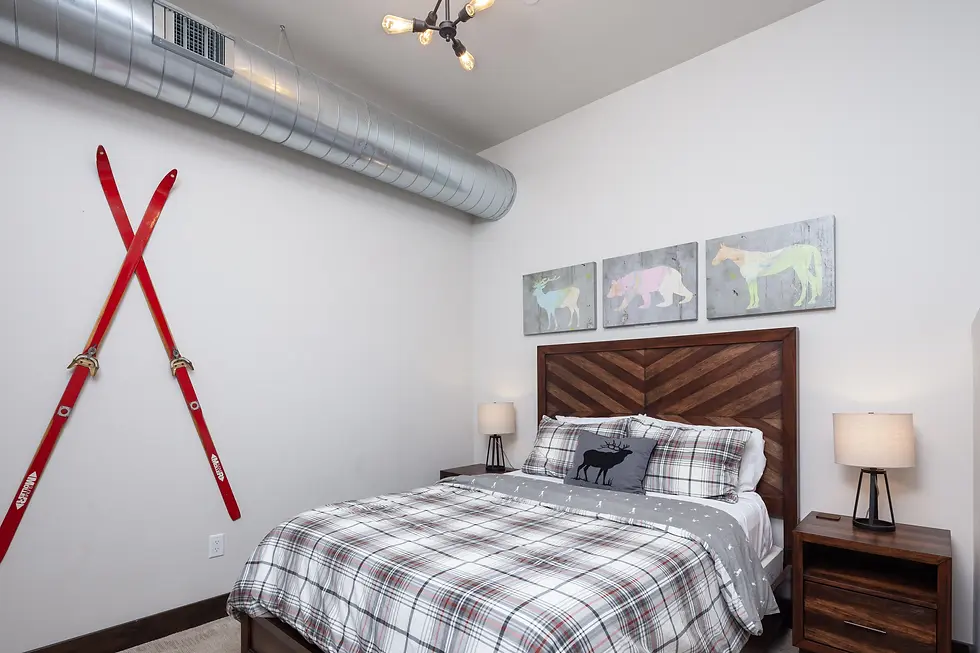
Glacier Adventure Loft from The Peak Properties is a 2-bedroom, 1-bath condo with 20-foot ceilings in the heart of downtown Whitefish, steps from the SNOW bus and within walking distance of restaurants and supply shops. For a hiking-focused trip, the fully stocked kitchen is as useful as the location: you can prepare trail food the night before, eat a real breakfast before a 6 AM departure, and recover properly after a 10-mile day instead of eating gas station food in a parking lot.
The condo sleeps up to 4 guests, which works well for a couple or a small group of hiking partners. After a day on Grinnell Glacier Trail or the Highline Trail, having a comfortable base in a town with actual restaurant options makes the recovery as good as the hike.
Glacier National Park's trail network in 2026 is as compelling as it has ever been, and the logistical challenges are real but solvable. Start early, use the shuttle, carry bear spray, and check trail status before every outing. The park rewards the hikers who prepare: the ones who arrive at Logan Pass before the crowd, who start Grinnell Glacier at dawn with the boat shuttle booked, who know that Tuesday at Many Glacier feels entirely different from Saturday. Plan with that level of intention and the trails deliver exactly what the photographs promise.
For more on planning your broader Whitefish and Glacier itinerary, the guide to lodging in Glacier National Park MT covers the full range of stay options and entrance logistics in detail.

If you are planning a hiking trip to Glacier National Park, Glacier Adventure Loft in downtown Whitefish gives you a 30-minute drive to the West Entrance and a fully equipped kitchen to fuel early starts on the best trails in the park. Check availability for your dates here.
Written by Michael Leonard, Owner & Manager at The Peak Properties


Comments