
Der Steiermark: Complete 2026 Guide to Austria's Styria

Der Steiermark, correctly "die Steiermark" in German, refers to Styria, Austria's second-largest federal state, covering about 16,399.55 square kilometers with Graz as its capital. This guide breaks down the state's 11 official Erlebnisregionen (experience regions), its top sights, wine country, and how to plan a trip by season and traveler type, something most existing guides skip entirely.
Key Takeaways
Styria (die Steiermark) spans roughly 16,399.55 km² and is divided into 11 official Erlebnisregionen including Ausseerland, Schladming-Dachstein, Erlebnisregion Graz, and Südsteiermark, according to Steiermark Tourismus.
The Dachstein, at 2,995 meters, is Styria's highest peak and anchors the Schladming-Dachstein region with a suspension bridge, ice palace, and the "Stairway to Nothingness" viewing platform.
Graz's Altstadt (old town) has held UNESCO World Heritage status since 1999, and the region contains a national park, a UNESCO Global Geopark, a Dark Sky site, and 61 Natura 2000 protected areas.
Styria has three official wine appellations, Südsteiermark DAC, Weststeiermark DAC, and Vulkanland Steiermark DAC, covering about 5,100 hectares of vineyard that yield an estimated 220,000 to 280,000 hectoliters of wine annually.
Top visitor draws by verified attendance include the Grazer Schlossberg funicular and lift (1,081,925 visitors), the Zotter Schokoladentheater (290,027 visitors), and Schloss Eggenberg's park (253,882 visitors).
This guide organizes recommendations by traveler type, first-timer, family, hiker, wine traveler, winter sports fan, and culture lover, a gap left open by most regional overviews.
Planning a trip to die Steiermark in 2026 means sorting through eleven distinct regions, three wine appellations, and a list of landmarks that stretches from a 2,995-meter glacier to a chocolate theater outside Graz. Most travel content treats Styria as one long, undifferentiated list: Altstadt Graz next to a mountain lake next to a fortress, with no sense of geography or travel logic connecting them.
This guide fixes that problem. The guide organizes the state the way Steiermark Tourismus itself does, by Erlebnisregion, and then layers in the practical detail that generic sightseeing lists leave out: how the wine routes actually differ, which sights need advance booking, and which itinerary makes sense depending on whether a traveler is chasing alpine scenery, a Sauvignon Blanc tasting, or a family day out.
If a Styria trip is part of a bigger Alpine circuit, The Peak Properties manages mountain rentals across four U.S. states, including a base in Whitefish, Montana, near Glacier National Park, for travelers who split their Alpine-style adventures between continents. The comparison is instructive: both regions build tourism around glaciers, lakes, and small-town character, just on opposite sides of the Atlantic.
What Is Die Steiermark and Where Is It Located?
Die Steiermark, known in English as Styria, is Austria's second-largest federal state by area, covering approximately 16,399.55 square kilometers in the country's southeast, with Graz as both state capital and most populous city. Styria borders Slovenia to the south, giving its southern wine regions a Mediterranean-adjacent climate distinct from the alpine north. As of 2026, Steiermark Tourismus organizes the state into 11 official Erlebnisregionen for visitor planning.
The state's geography splits into two broad character zones. Northern and western Styria, including the Schladming-Dachstein and Gesäuse regions, is defined by high alpine terrain, glaciers, and national park land. In contrast, southern and eastern Styria, covering Südsteiermark, Oststeiermark, and Vulkanland Steiermark, trades peaks for rolling vineyard hills, thermal spas, and volcanic soil. This north-south contrast is the single most useful fact for trip planning: a visitor chasing glacier views and a visitor chasing wine tastings are, geographically, headed to opposite ends of the same state. Understanding this regional split before booking a hotel, wine tour, or rental car saves real time once travelers are on the ground.
What Are the 11 Erlebnisregionen of Styria?
The 11 Erlebnisregionen are the official experience regions Steiermark Tourismus uses to divide the state for visitor planning: Ausseerland, Schladming-Dachstein, Gesäuse, Thermen- & Vulkanland, Oststeiermark, Hochsteiermark, Erlebnisregion Graz, Südsteiermark, Erzberg-Leoben, Erlebnisregion Murau, and Erlebnisregion Murtal. Each region has a distinct identity, and matching a trip to the right one matters more than chasing a single famous landmark.
Ausseerland centers on the Altausseer See and salt-mining heritage, while Schladming-Dachstein is the alpine sports and glacier hub built around the Dachstein massif. Gesäuse, by comparison, contains Styria's national park, a rugged limestone gorge landscape popular with hikers and rock climbers.
Erlebnisregion Graz covers the capital and its immediate surroundings, including Schloss Eggenberg. Südsteiermark, meanwhile, is the state's premier wine country, often called Austria's "Tuscany" for its terraced vineyard hills near the Slovenian border. Thermen- & Vulkanland combines volcanic geology with a cluster of thermal spa resorts, ideal for a slower-paced, wellness-focused visit.
Hochsteiermark, Erzberg-Leoben, Erlebnisregion Murau, and Erlebnisregion Murtal round out the industrial-heritage and rural central belt, home to the Erzberg open-pit iron mine and quieter market towns that see far fewer international visitors than Graz or the Dachstein. For a first trip, anchoring in two adjacent regions works better than attempting all eleven; Graz plus Südsteiermark, or Schladming-Dachstein plus Ausseerland, each form a coherent, drivable loop.

What Should You See First in Graz, Styria's Capital?
Graz is the cultural and historical anchor of any die Steiermark itinerary, built around a walkable Altstadt (old town) that has held UNESCO World Heritage status since 1999. First-time visitors should prioritize three sights in Graz: the Uhrturm clock tower atop the Schlossberg, the Kunsthaus Graz contemporary art museum, and Schloss Eggenberg's Baroque palace and gardens, each offering a distinct facet of the city's history and culture.
The Uhrturm and Schlossberg
The Grazer Uhrturm sits atop the Schlossberg and is widely regarded as Graz's most recognizable landmark. The clock tower's oversized hands work in reverse of what visitors expect: the large hand marks the hour and the small hand marks the minute, a historical quirk that confuses first-time visitors before it becomes a fun fact to share later. According to verified visitor data, the Schlossberg funicular railway and lift combined drew 1,081,925 visitors, making the Schlossberg easily the single most-visited attraction in the state.
Getting up the hill takes minutes either way, by funicular or lift, and both routes offer views over Graz's terracotta rooftops. Visitors should go in late afternoon for softer light and thinner crowds, since tour buses tend to cluster mid-morning.
Kunsthaus Graz
The Kunsthaus Graz was built in 2003 as part of the city's Cultural Capital of Europe year and quickly earned the nickname "Friendly Alien" for its bulbous, biomorphic exterior. The museum remains a working contemporary art institution, not a static architectural photo-op, so visitors should check the current exhibition schedule before visiting. Its riverside setting along the Mur makes the Kunsthaus an easy pairing with a stroll through the old town.
Schloss Eggenberg
A short tram ride from the center, Schloss Eggenberg is a Baroque palace with formal gardens and a planetary room designed around astronomical symbolism. Its park recorded 253,882 visitors, making Schloss Eggenberg the third most-visited site in the verified rankings. Visitors should budget at least half a day to tour both the palace interior and walk the grounds; the park alone is free to enter during open hours, while the palace requires a ticketed tour.
Where Are the Best Alpine and Natural Landscapes in Styria?
Styria's most dramatic natural scenery concentrates in the Schladming-Dachstein and Gesäuse regions, anchored by the Dachstein massif at 2,995 meters, the highest point in the state. This alpine zone contrasts sharply with the gentler, vineyard-covered hills further south, and it demands different planning: cable car reservations, weather-dependent viewing platforms, and a genuine need for proper footwear.
The Dachstein Glacier World
The Dachstein-Gletscherwelt offers a cluster of engineered viewpoints built directly into the glacier landscape: a suspension bridge, the "Himmelsleiter" (stairway to heaven), an ice palace carved into the glacier itself, and the dramatically named "Treppe ins Nichts," or Stairway to Nothingness, a glass-floored platform cantilevered over open air. The Dachstein-Gletscherbahn cable car recorded 212,325 visitors according to verified attendance figures, putting the Gletscherbahn among the state's top five attractions.
Visitors should plan a trip between late spring and early autumn for the best combination of weather and open facilities; alpine cable cars in this region are notably weather-dependent, and high winds or fog can close the upper platforms with little notice. As a result, visitors should bring layers regardless of the season at the valley floor, since summit temperatures run dramatically colder even in July.
Nationalpark Gesäuse
Nationalpark Gesäuse is Styria's only national park, a rugged limestone gorge carved by the Enns River and popular with hikers, climbers, and rafters. Unlike the more infrastructure-heavy Dachstein sites, Gesäuse trails are largely unimproved wilderness, so this region suits travelers who want genuine backcountry character rather than cable-car convenience. Trail difficulty varies enormously here, from easy riverside walks to technical alpine routes, so hikers should match their route to actual hiking experience rather than the postcard photo they saw online.
The Grüner See
The Grüner See in Tragöß is internationally known for its emerald-green water and glacier-fed clarity, a color caused by mineral content and snowmelt filtration rather than any dye or treatment. This lake is genuinely one of the more photographed natural sites in Austria, and its fame is earned; the color is real and dramatic in person. Importantly, the lake's water level and color intensity change seasonally, peaking after spring snowmelt and receding by late summer, a detail most generic sightseeing lists leave out entirely. Visitors should plan a trip in late spring for the fullest, most vividly colored lake, and go early morning on weekends to beat the crowds, since the Grüner See has become a significant draw for day-trippers from Graz and Vienna alike.

What Underground and Historic Sites Are Worth Visiting?
Styria's underground and fortified sites offer a completely different travel experience from its alpine and vineyard landscapes, ranging from a cave system with one of Europe's tallest known underground chambers to a fortress perched on an extinct volcano. These sites work well as rainy-day alternatives to outdoor itineraries, since caves and castle interiors are largely weather-independent.
Die Lurgrotte
The Lurgrotte is a cave system known for its underground gorges, stalagmite formations, and the "Großer Dom," an especially large subterranean chamber that ranks among the notable cave rooms in the Alpine region. Cave temperatures stay cool and constant year-round, typically in the range most caves maintain regardless of surface season, which makes the Lurgrotte a reliable option during summer heat waves or winter cold snaps alike. Guided tours are standard here rather than self-directed exploration, so visitors should check current tour times before arriving, as cave visits are not always available on a walk-in basis.
Riegersburg
The Riegersburg fortress sits on a volcanic rock formation overlooking the rolling hills and vineyards of eastern Styria. Verified visitor figures place the castle at 128,000 visitors, a substantial number for a site that requires a genuine drive out from Graz. The panoramic view from the fortress walls stretches over the forests and vineyards of Oststeiermark, making Riegersburg a natural stop for travelers combining a castle visit with a wine-country afternoon in the same region.
Benediktinerstift Admont and Basilika Mariazell
Stift Admont, a Benedictine monastery, and the Basilika Mariazell represent Styria's religious and architectural heritage. Admont is known internationally for its ornate library hall, one of the largest monastery libraries in the world, while Mariazell functions as one of Central Europe's most significant pilgrimage sites. Both sites sit in the northern half of the state and pair naturally with a Gesäuse or Hochsteiermark itinerary rather than a Graz-centered day trip.
How Do Styria's Wine Regions and DAC Classifications Actually Work?
Styria's DAC (Districtus Austriae Controllatus) system classifies wine into three official appellations: Südsteiermark DAC, Weststeiermark DAC, and Vulkanland Steiermark DAC. A DAC classification means a wine region has an officially defined and legally regulated style, tied to specific permitted grape varieties and a recognizable regional character, rather than an open-ended free-for-all of grape choices. This distinction is one of the most under-explained topics in existing Styria travel content, since most articles list grape varieties without ever clarifying what a DAC designation actually signals to a visitor planning a tasting route.
According to Österreich Wein, Styria's total vineyard area covers approximately 5,100 hectares, producing an estimated 220,000 to 280,000 hectoliters of wine annually, enough, by steiermark.com's own calculation, to fill roughly 110 million wine glasses each year.
Südsteiermark DAC
Südsteiermark, the southern wine region bordering Slovenia, is Styria's best-known wine area and is often compared to Tuscany for its terraced hillside vineyards. Sauvignon Blanc is the region's flagship variety and Styria's most widely planted grape overall. Riesling, Welschriesling, Gelber Muskateller, and Burgundy varieties (Weissburgunder, Chardonnay) round out the regional palette. Nine grape varieties in total are officially approved for DAC classification across Styria's wine regions.
Weststeiermark DAC and Schilcher
Weststeiermark is defined almost entirely by a single signature wine: Schilcher, a distinctively tart, high-acid rosé made exclusively from the Blauer Wildbacher grape. Schilcher is not widely exported, which makes tasting the wine in Weststeiermark itself one of the more genuine, non-touristy wine experiences in the state. If a Sauvignon Blanc in Südsteiermark feels like the expected pick, a glass of Schilcher in Weststeiermark is the regional specialty most visitors never think to ask for.
Vulkanland Steiermark DAC
Vulkanland Steiermark takes its name from the volcanic soil that defines its terroir, and Traminer is highlighted here as the region's specialty grape. The volcanic mineral content shapes a wine character distinct from both Südsteiermark's Sauvignon Blanc and Weststeiermark's Schilcher, giving serious wine travelers a genuine reason to visit all three regions rather than treating one as representative of the whole state.
Wine Region (DAC) | Signature Grape | Character | Best For |
Südsteiermark DAC | Sauvignon Blanc | Terraced hillside vineyards, Slovenia border | First-time wine travelers, scenic driving routes |
Weststeiermark DAC | Schilcher (Blauer Wildbacher) | Tart, high-acid rosé, rarely exported | Travelers seeking a genuinely local specialty |
Vulkanland Steiermark DAC | Traminer | Volcanic mineral-driven terroir | Serious tasters comparing terroir differences |
Tasting-route logistics remain the biggest planning gap in most Styria wine content: travelers should expect many smaller producers to require advance appointment rather than walk-in tastings, especially outside peak summer weekends, and should always designate a driver, since these hillside roads are narrow and winding. Non-alcoholic guests are generally well accommodated at larger wineries with a tasting room or restaurant attached, though smaller family cellars may offer grape juice or Sturm (a seasonal fermenting grape must, available only in early autumn) as the main non-alcoholic option.

What Family and Thermal Spa Attractions Does Styria Offer?
Styria's family and thermal spa attractions cluster in the Thermen- & Vulkanland region and around eastern Oststeiermark, combining volcanic geology, spa resorts, and kid-friendly sights like the Zotter Schokoladentheater, Tierwelt Herberstein, and the Lipizzanergestüt Piber. This makes Thermen- & Vulkanland the state's primary destination for slower-paced wellness travel and attractions that don't require alpine hiking fitness. The region sits in the southeast, closer to Oststeiermark than to Graz, and works best as its own dedicated stop rather than a day trip layered onto a Graz-centered itinerary.
Zotter Schokoladentheater
The Zotter Schokoladentheater, a chocolate factory and interactive visitor experience, recorded 290,027 visitors, ranking the Schokoladentheater as the second most-visited attraction in Styria behind only the Grazer Schlossberg. The self-guided tour format and hands-on tasting stations make Zotter a genuinely strong pick for families with children of a wide age range, from toddlers to teenagers. Visitors should expect the visit to take a couple of hours if they follow the full tasting circuit rather than rushing through.
Tierwelt Herberstein
Tierwelt Herberstein combines a wildlife park with the historic Herberstein castle grounds, and drew 216,353 visitors according to verified figures, making Tierwelt Herberstein one of the state's top five attractions by attendance. The combination of animal enclosures and castle history gives this site broader appeal than a standard zoo, and it pairs naturally with a Riegersburg visit since both sit in the eastern Oststeiermark region. For families, the two sites together make an efficient single-day pairing rather than separate trips.
Lipizzanergestüt Piber
The Lipizzanergestüt Piber is the breeding stud farm for the famous Lipizzaner horses associated with Vienna's Spanish Riding School. Guided tours cover the stables, pastures, and breeding program, and this stud farm is one of the few Styria attractions where advance tour booking genuinely matters, since group sizes are limited and popular time slots fill during peak summer months.
How Should You Plan a Styria Trip by Traveler Type?
The single biggest content gap across existing Styria guides is a lack of route planning by traveler type: first-timers, families, hikers, wine travelers, winter sports enthusiasts, and culture lovers each need fundamentally different itineraries, yet most articles hand every reader the same 30-item bucket list regardless of interest or trip length.
First-Time Visitors (3 to 4 Days)
First-time visitors should anchor in Graz for two nights, covering the Uhrturm, Schlossberg, Kunsthaus Graz, and Schloss Eggenberg. Travelers should then add a single day trip into Südsteiermark for a vineyard tasting route, followed by a choice between a Dachstein alpine day or a Riegersburg and Tierwelt Herberstein combination depending on whether mountains or castles interest them more. This structure avoids the common first-timer mistake of trying to cram Ausseerland, Graz, and Südsteiermark into one rushed loop.
Families with Children
Families traveling with children in Styria have four standout options that balance indoor and outdoor activities across different age groups:
Zotter Schokoladentheater for an indoor, weather-proof activity with genuine kid appeal across age groups
Tierwelt Herberstein for animals plus castle grounds in one stop
Thermen- & Vulkanland spa resorts for a relaxed midpoint day between more active sightseeing
Schloss Eggenberg's park grounds for a free, low-effort outdoor afternoon in Graz itself
Hikers and Outdoor Travelers
Nationalpark Gesäuse and the trails surrounding the Dachstein massif are the clear priorities for hikers and outdoor travelers. Hikers should match trail choice to actual fitness level rather than the most photogenic route; Gesäuse in particular mixes easy river paths with genuinely technical alpine terrain within the same park boundary. As a result, travelers should build in a rest day at a Thermen- & Vulkanland spa if their itinerary stacks multiple consecutive hiking days.
Wine Travelers
Wine travelers should dedicate a minimum of two full days to properly experience even one of the three DAC regions; Südsteiermark alone has enough terraced vineyard road to fill a full day of tastings and scenic driving. Travelers wanting to compare all three appellations, Südsteiermark, Weststeiermark, and Vulkanland Steiermark, should plan a longer, multi-region loop of five days or more, since the three areas sit in different parts of the state rather than clustering together. For example, a traveler based in Südsteiermark for a Sauvignon Blanc tasting would need a separate drive west to reach Weststeiermark's Schilcher producers.
Culture and History Enthusiasts
Graz's UNESCO-listed Altstadt, Kunsthaus Graz, and Schloss Eggenberg form the core itinerary for culture and history enthusiasts. Travelers should extend outward to Stift Admont for the monastery library, Basilika Mariazell for pilgrimage history, and the Lurgrotte for a genuinely different kind of historic site, an underground natural formation rather than a built structure.
Practical Guidance: Common Mistakes to Avoid in Styria
Planning mistakes in Styria almost always trace back to underestimating drive times between regions or booking cable car and cave tours too late for peak-season availability. Here is what to prioritize and what to avoid.
Do not treat Styria as a single compact area. The Dachstein and Südsteiermark wine country sit at opposite ends of the state; driving between them in a single day is unrealistic for a relaxed trip.
Book Dachstein cable car access and Lurgrotte cave tours in advance during peak summer months, since both are weather- or capacity-limited and walk-up availability is not guaranteed.
Check the Grüner See's seasonal water level before building a trip around it; the lake is fullest and most vividly colored after spring snowmelt, and photos from other seasons will not match what visitors find in late summer.
Designate a non-drinking driver for wine region visits. Many smaller Südsteiermark and Weststeiermark producers sit on narrow, winding hillside roads with limited public transit access.
Avoid clustering castle, cave, and cathedral visits on the same day as an alpine hike. These sites reward unhurried visits, and stacking too many stops per day is the single most common regret among first-time Styria travelers.
Confirm reservation requirements at the Lipizzanergestüt Piber before arriving, since group tour slots are limited and fill during peak summer weekends.
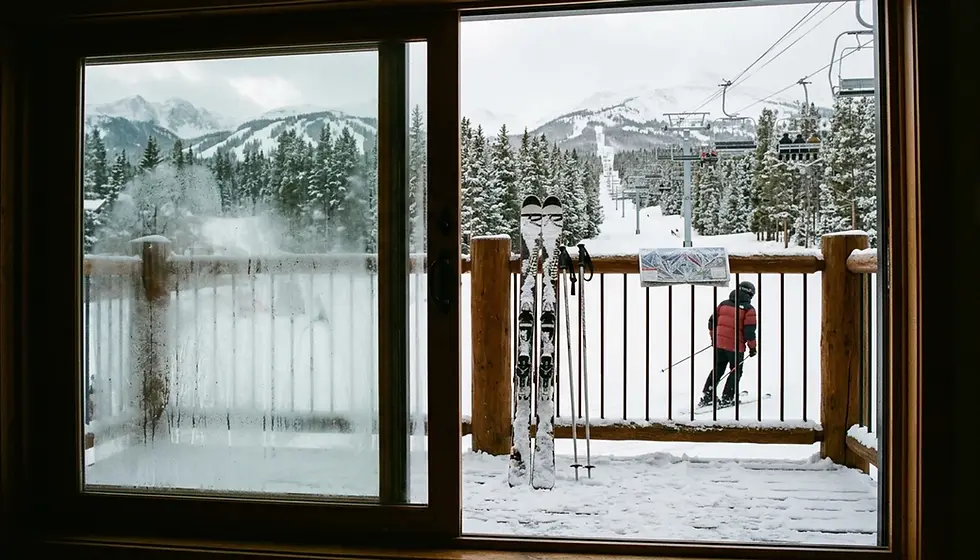
Travelers combining a European Alpine trip with a North American one often find the planning logic transfers directly. If a traveler is weighing a Dachstein glacier day against a Whitefish Mountain Resort ski day near Glacier National Park, the same seasonal and weather-dependency principles apply, and Whitefish, MT outdoor activities planning follows a similar logic of matching trail difficulty to fitness level and checking conditions before committing to a route.
Frequently Asked Questions
What does "der Steiermark" mean in English?
"Der Steiermark" is a common informal reference to Styria (correctly "die Steiermark" in German grammar), Austria's second-largest federal state by area. Styria covers approximately 16,399.55 square kilometers in southeastern Austria, with Graz as its capital city.
How many regions does Styria have for tourism purposes?
Steiermark Tourismus divides the state into 11 official Erlebnisregionen, or experience regions, as of 2026: Ausseerland, Schladming-Dachstein, Gesäuse, Thermen- & Vulkanland, Oststeiermark, Hochsteiermark, Erlebnisregion Graz, Südsteiermark, Erzberg-Leoben, Erlebnisregion Murau, and Erlebnisregion Murtal.
What is the highest mountain in Styria?
The Dachstein is Styria's highest mountain at 2,995 meters. The peak anchors the Schladming-Dachstein Erlebnisregion and features a glacier world with a suspension bridge, an ice palace, and a glass-floored viewing platform called the "Stairway to Nothingness."
Is Graz's old town a UNESCO World Heritage Site?
Yes. The Grazer Altstadt has held UNESCO World Heritage status since 1999. The old town centers on the Uhrturm clock tower atop the Schlossberg, which recorded over 1 million visitors via its funicular and lift combined, making the Schlossberg the most visited attraction in the state.
What are the three wine regions in Styria and how do they differ?
Styria has three DAC wine appellations: Südsteiermark DAC, known for Sauvignon Blanc and terraced hillside vineyards; Weststeiermark DAC, known almost exclusively for Schilcher rosé made from the Blauer Wildbacher grape; and Vulkanland Steiermark DAC, known for Traminer grown in volcanic soil. Nine grape varieties total are approved for DAC classification across all three regions.
When is the best time to visit the Grüner See?
Late spring offers the fullest, most vividly colored lake, since the Grüner See's emerald water level rises after spring snowmelt and gradually recedes by late summer. Early morning visits, especially on weekdays, help avoid the crowds that build later in the day and on weekends.
Do I need to book Dachstein glacier cable cars in advance?
Advance booking is strongly recommended during peak summer months, since alpine cable car access at the Dachstein-Gletscherwelt is weather-dependent and capacity-limited. Checking conditions before a visit date helps avoid arriving to find upper platforms closed due to wind or fog.
What is the best way to structure a first-time Styria itinerary?
A 3 to 4 day first trip works best anchored in Graz for two nights covering the Uhrturm, Kunsthaus Graz, and Schloss Eggenberg, followed by one day trip into Südsteiermark wine country and a final day choosing between the Dachstein alpine region or a Riegersburg and Tierwelt Herberstein castle-and-wildlife combination.
Conclusion: Planning Your Styria Trip in 2026
Die Steiermark rewards travelers who plan by region rather than by an undifferentiated bucket list. The state's 11 Erlebnisregionen, anchored by Graz's UNESCO-listed old town, the 2,995-meter Dachstein, and three distinct DAC wine appellations, offer genuinely different experiences depending on whether a traveler's priority is alpine scenery, vineyard touring, or castle and cave history. As of 2026, the biggest planning win remains matching an itinerary to actual interests: a hiker gains little from a Zotter chocolate tour, and a wine traveler shouldn't rush the Dachstein glacier in the same afternoon as a Südsteiermark tasting.
Whether the next Alpine trip lands in Austria or closer to home, the fundamentals stay the same: check seasonal conditions, book weather-dependent attractions ahead, and give each region the time it deserves rather than rushing the list.

If Alpine travel plans include a stop closer to Glacier National Park, Glacier Adventure Loft puts travelers steps from downtown Whitefish and a 30-minute drive from the park entrance, the same kind of alpine-town-meets-wilderness setup that makes Styria's Schladming-Dachstein region so appealing. Check availability at Glacier Adventure Loft.
Written by Michael Leonard, Owner & Manager at The Peak Properties
Content powered by inkSTR.co


Comments